Why Do Expensive Knives Still Need Sharpening?

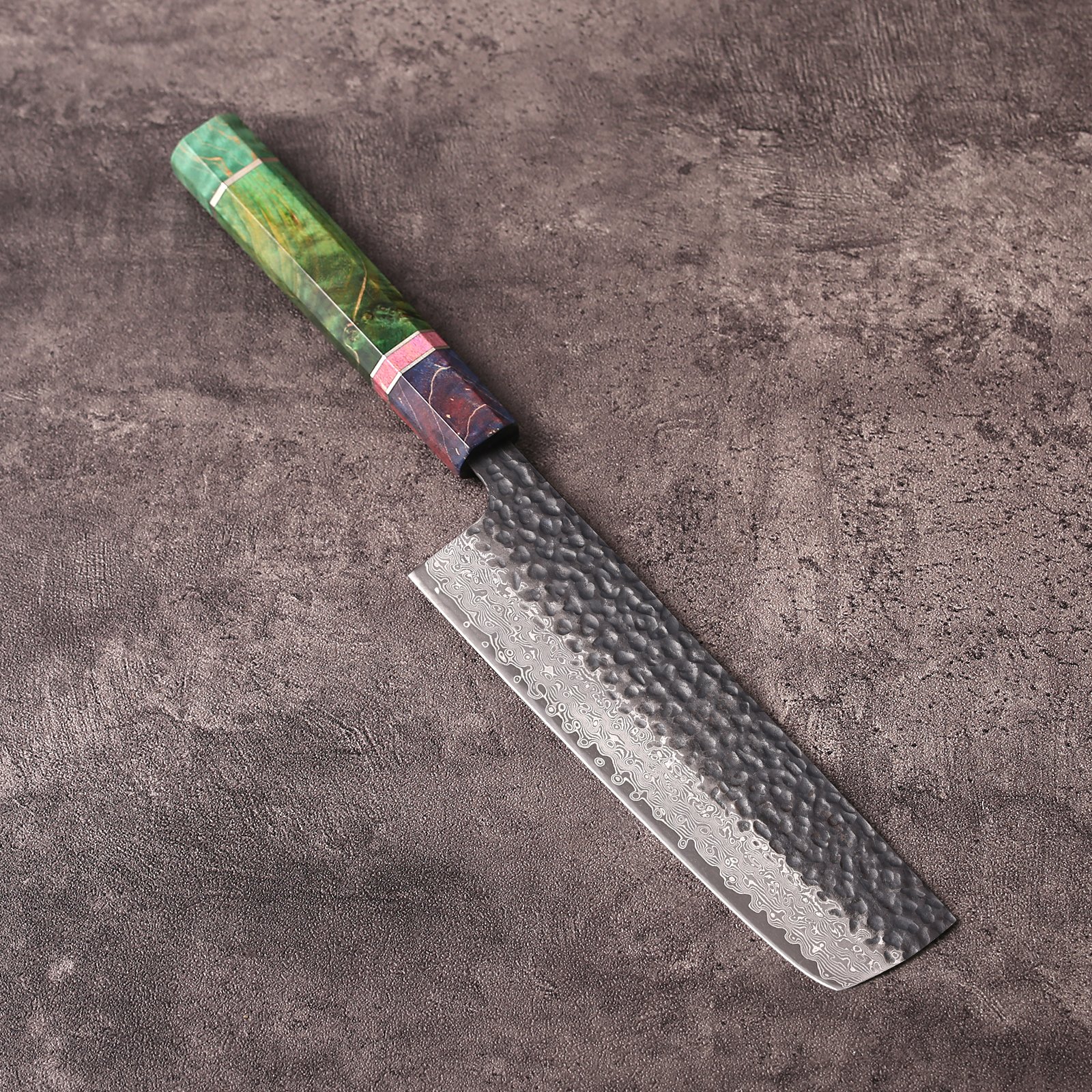
Many people assume that investing in a premium knife means it will stay razor-sharp forever. In reality, even the finest blades require regular sharpening. The reason lies in the physics of cutting and the difference between disposable tools like grinding wheels and precision tools like high-end knives.
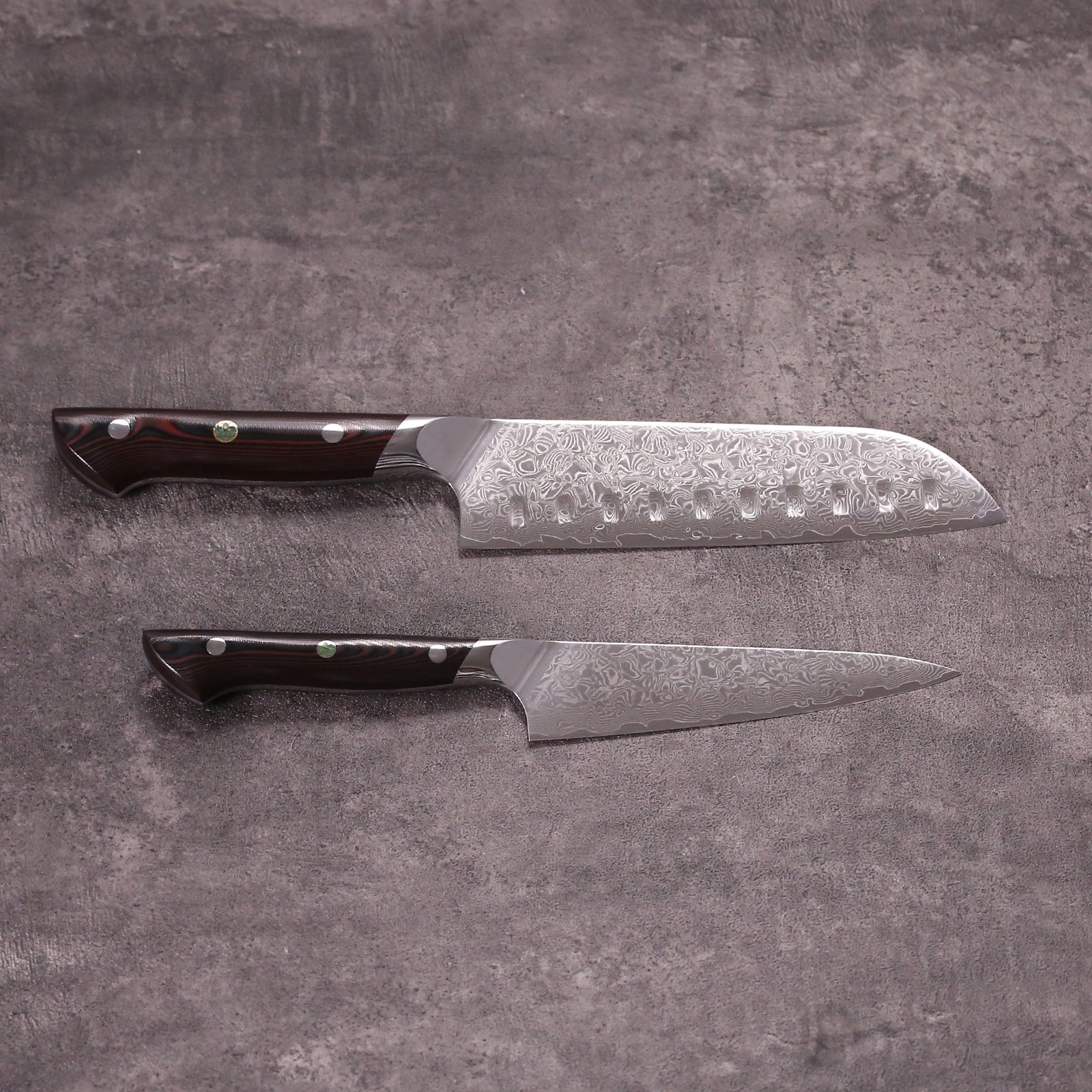
The Grinding Wheel vs. The Knife
A grinding wheel stays “sharp” because its abrasive grains break off, exposing new edges. That’s called self‑sharpening. But it comes at a cost: rough finishes, low precision, and short lifespan. Grinding wheels are consumables—cheap, simple, and replaced when worn out, much like utility knife blades.
A premium knife is different. It’s engineered for accuracy, balance, and longevity. Hard steels like VG‑10, Aogami Blue #2, or M390 hold an edge far longer than standard stainless steel. But they don’t self‑renew. Over time, the fine edge bends, rolls, or thickens. Sharpening is how you restore that precision.
Advantages of High‑Price Knives
- Superior Steels:
- VG‑10: Balanced edge retention and corrosion resistance, HRC 60–62.
- Aogami Blue #2: Traditional Japanese carbon steel, HRC 62–64, incredible sharpness but requires careful maintenance.
- 14C28N: Swedish stainless steel, tough and easy to sharpen, excellent corrosion resistance.
- M390: A “super steel” with outstanding wear resistance and edge retention, though harder to sharpen.
- AUS‑10: Affordable Japanese stainless steel, balanced toughness and edge retention.
- ZDP‑189: Ultra‑hard steel (HRC 65–67), extreme edge retention, but brittle and very challenging to sharpen.
- Precision Cutting: Thin, finely ground edges deliver clean slices.
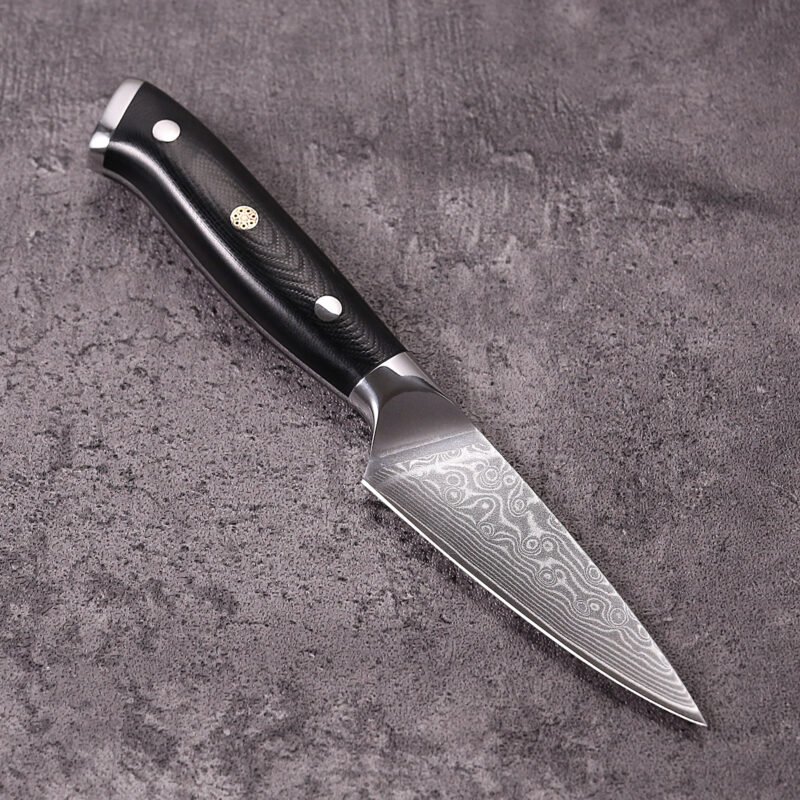
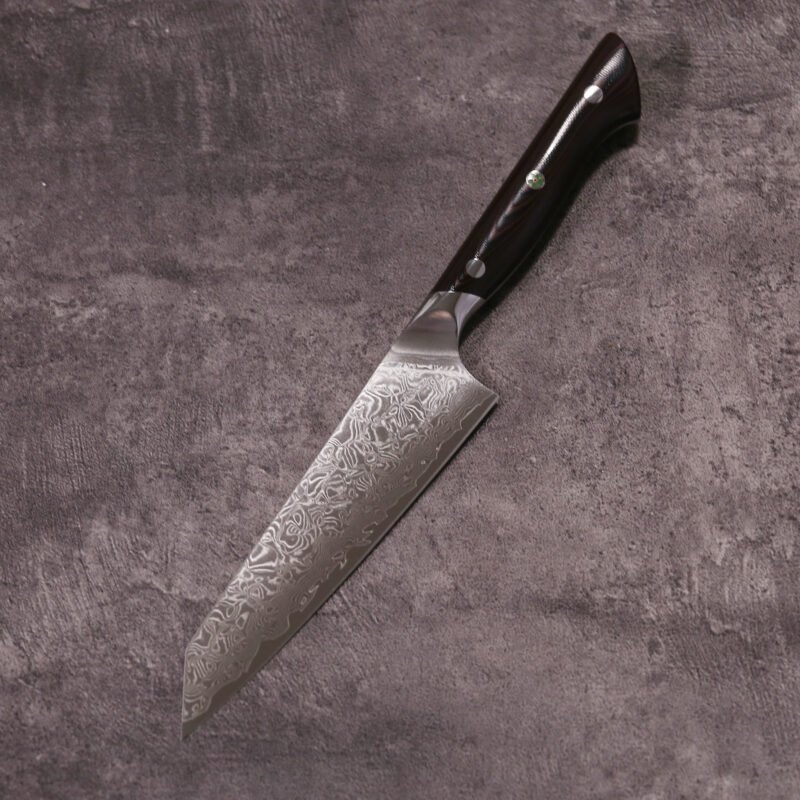
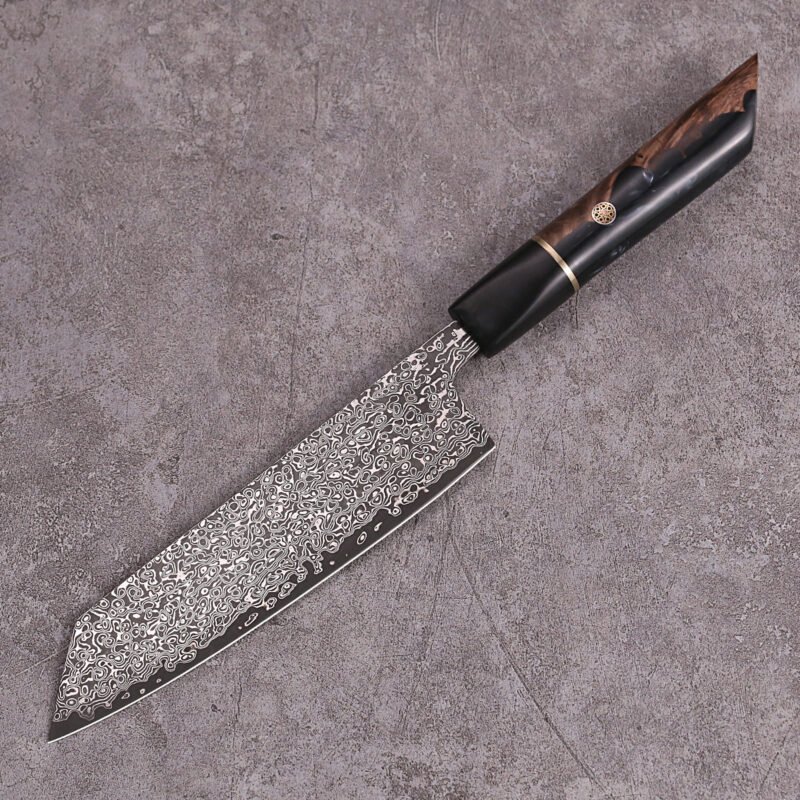
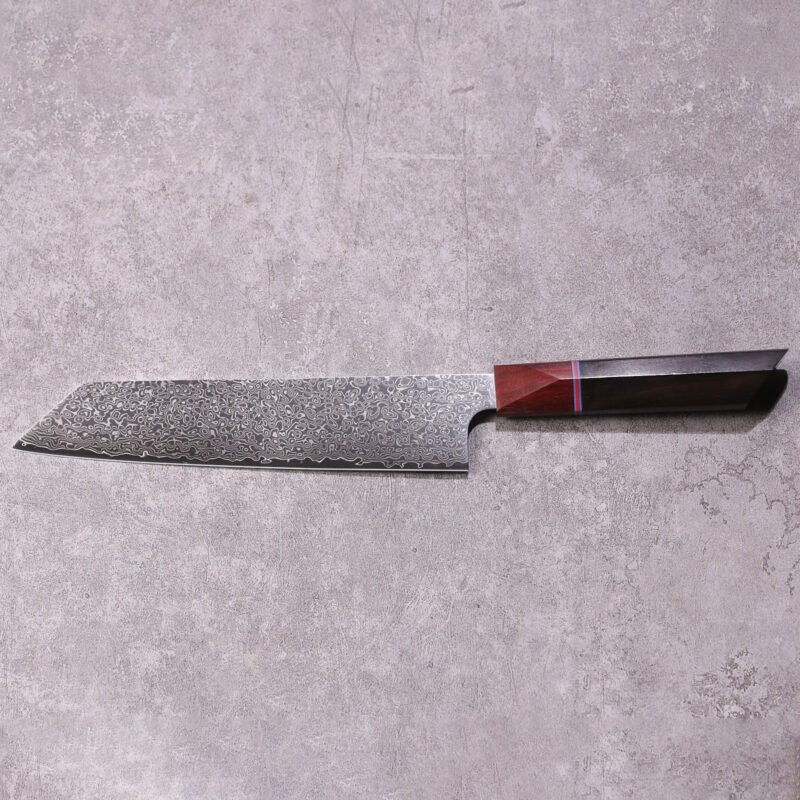
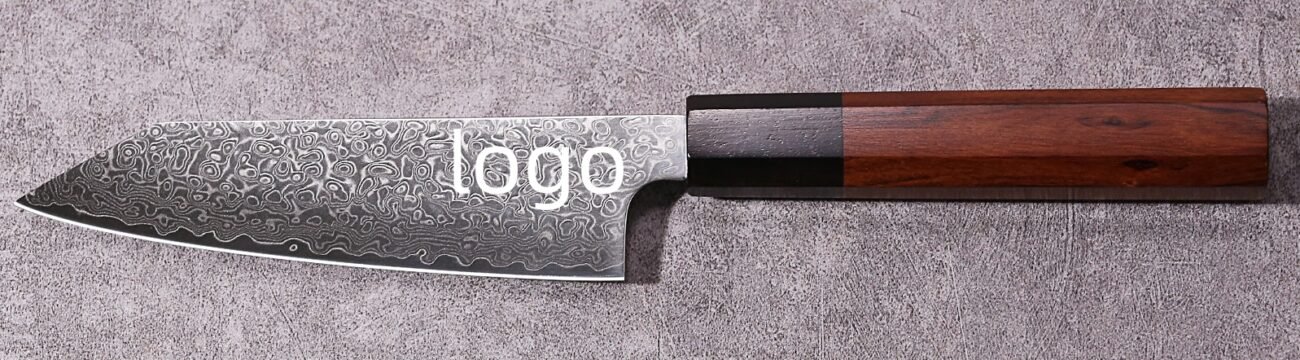
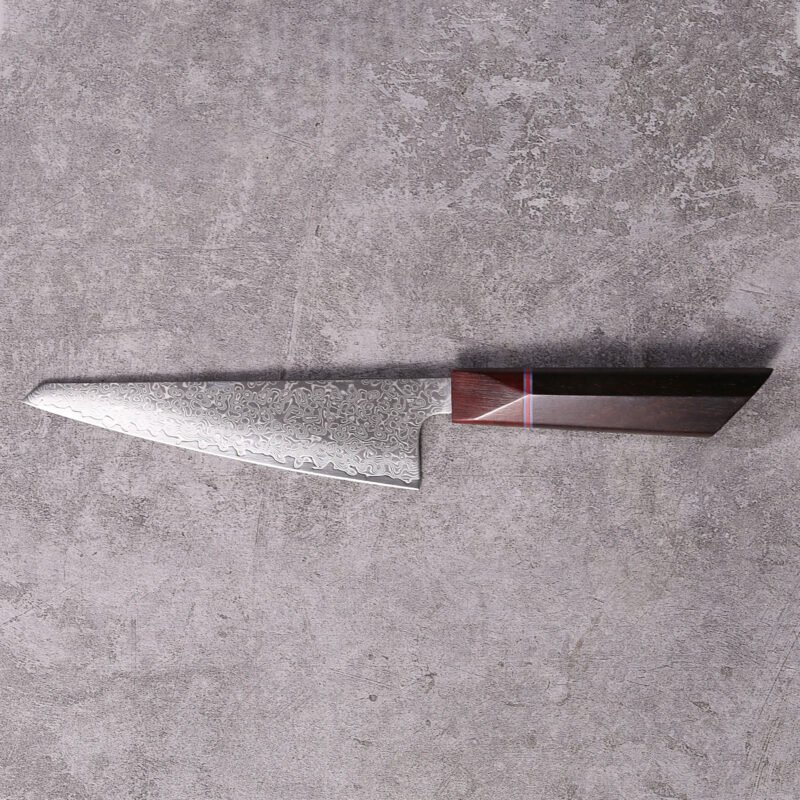
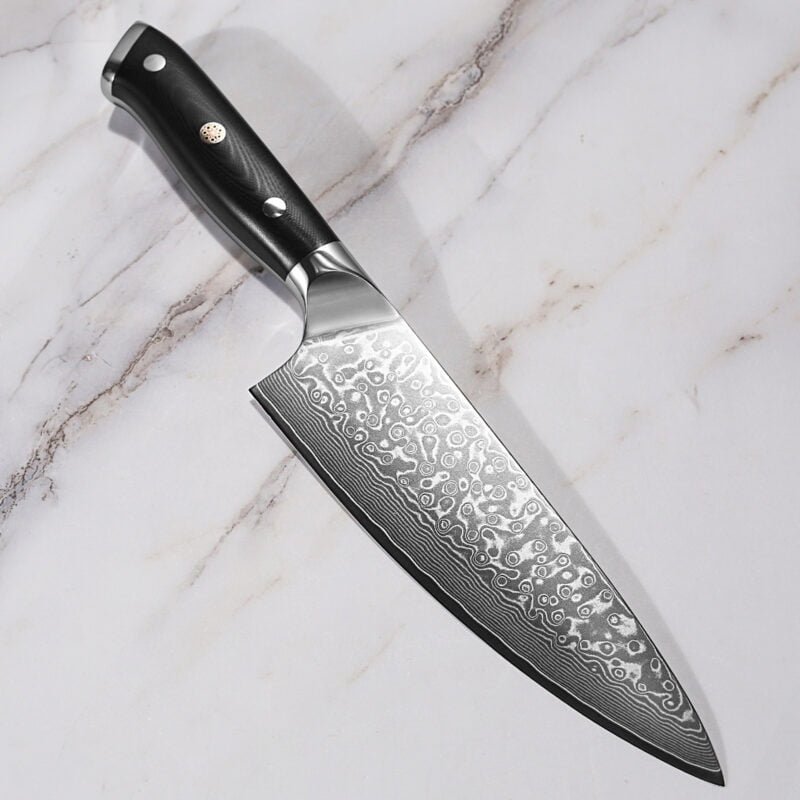
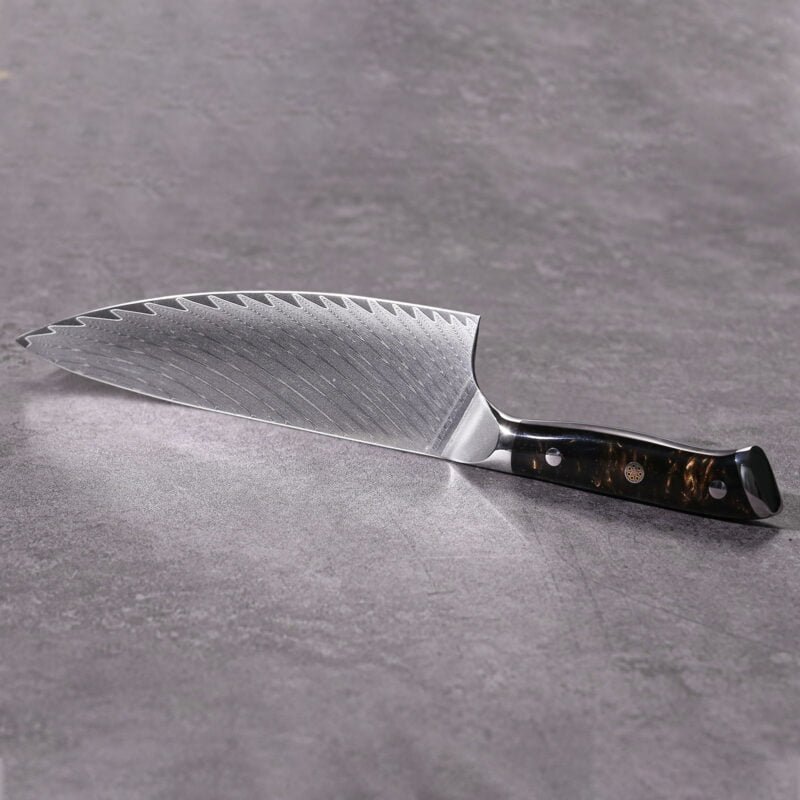
- Craftsmanship: Damascus patterns, ergonomic handles, and balance make them both functional and beautiful.
- Longevity: With proper care and sharpening, a premium knife can last decades.
Advantages of Low‑Price Knives
- Affordable: Easy to buy and replace.
- Utility: Good for rough tasks where precision isn’t critical.
- Low Maintenance Mindset: Many users simply replace them when dull instead of sharpening.
- Plastic Handles: Lightweight and inexpensive, but often cheap‑looking and less durable compared to wood or steel.
A grinding wheel stays sharp by destroying itself. A cheap knife stays “sharp” by being replaced. A premium knife stays sharp by being maintained. That’s the difference between disposable tools and precision instruments.
So yes, even the most expensive knife needs sharpening—not because it’s weak, but because it’s designed to last. Sharpening is the key to unlocking its full lifespan and performance.
Choosing the Right Knife for Everyday Use
If you’re buying a knife for home cooking or as a thoughtful gift, you don’t need to spend top dollar on ultra‑premium steels like ZDP‑189 or M390. These steels are engineered for professional chefs and serious enthusiasts who demand extreme edge retention and are willing to handle the challenges of sharpening very hard, sometimes brittle blades.
For 99% of customers, steels like VG‑10 or AUS‑10 strike the perfect balance between cost and performance. They offer excellent sharpness, good edge retention, and corrosion resistance, while still being manageable to sharpen at home. In other words, they give you the benefits of a high‑quality knife without the complexity or price tag of “super steels.”
So if your goal is reliable performance in the kitchen or gifting a knife that looks beautiful and works brilliantly, VG‑10 and AUS‑10 are the sweet spot—professional enough to impress, practical enough for everyday cooking.