The Myth of the Master Chef: Why Kitchen Tools Should Serve You, Not Enslave You

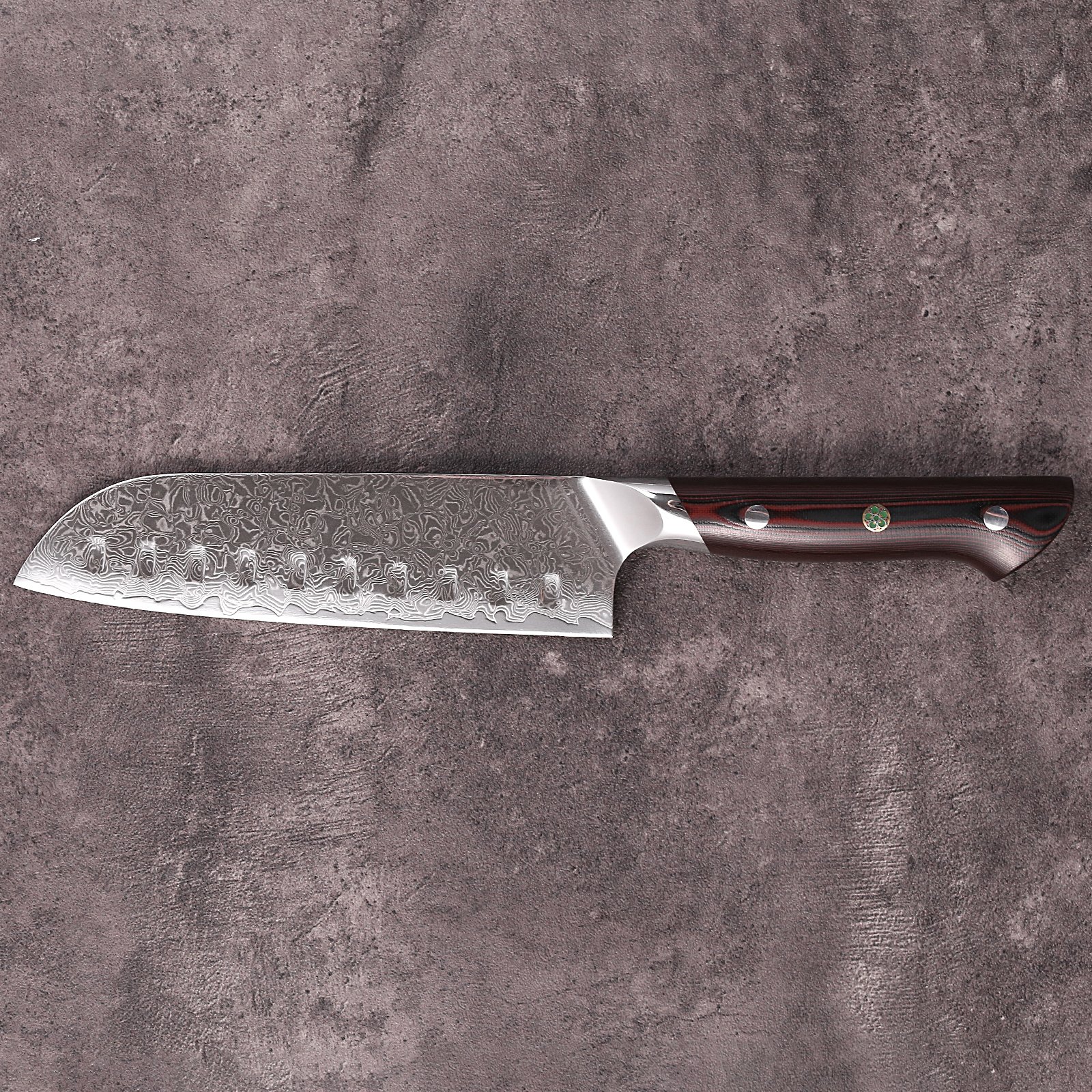
In a traditional kitchen, a knife is exactly what it is supposed to be: a tool. It is an extension of the hand, designed to chop, slice, and mince with efficiency. However, if you look at the Western culinary market—and the trends Japan has popularized globally—you see a completely different picture. Suddenly, a simple tool has transformed into a luxury status symbol, a financial burden, and a source of unnecessary anxiety for the home cook.
It is time we call out this pretension. The obsession with hyper-expensive, specialized knives and the mystification of basic maintenance like sharpening is largely a marketing scam designed to make ordinary consumers feel inadequate.
Paying for the Logo, Not the Steel
When you see people paying exorbitant prices for “premium” cutlery, realize that you are mostly paying for the logo. Those famous brand names and fancy packaging are just marketing costs passed on to you. You are paying for the hype, not for a better dinner. A no-name brand that feels good in your hand is infinitely better than a famous name that sits in a glass cabinet because you’re afraid to scratch it.
The Sharpening “Ritual” is a Lie
Perhaps the most ridiculous aspect of this “knife culture” is the gatekeeping surrounding maintenance. If you watch online videos, you would believe that sharpening a knife is a mystical ritual. Influencers bombard us with technical jargon: 1000 grit vs. 8000 grit, slurry consistency, and exact 15-degree angles.
I tried to follow their advice once. I bought the expensive stones, set up the angles, and stressed over every stroke. It was exhausting and unnecessary.
The truth is, sharpening is simple. I stopped worrying about “perfection.” I just put the blade to the stone and worked it until it felt right. Even if my angle isn’t mathematically precise, the knife cuts. So what if it gets dull after a few days? I just sharpen it again! It takes five minutes. It is not rocket science; it is a mechanical skill. Like riding a bike or chopping onions, you just need to practice a few times, and you will get the “feel” for it. You don’t need a mirror-polish edge to make a stir-fry.
Don’t let the marketing fool you. A knife is a servant, not a master. If you have to treat it like a fragile antique or perform a complex ritual just to keep it sharp, it has failed its primary purpose. Keep it simple, keep it functional, and remember that the best tool in the kitchen is your own common sense, not the price tag on your handle.